




The Van Tassel House and Other Real Sleepy Hollow Landmarks in the Legend
"The Legend of Sleepy Hollow" is fiction, but it is fiction anchored in a real place. Irving names specific landmarks — the Old Dutch Church, the bridge, the Van Tassel farm — and readers have been trying to match them to actual locations for two centuries. Some connections are solid, others are speculative, and a few are pure invention. Sorting them out is part of the fun of visiting the area.
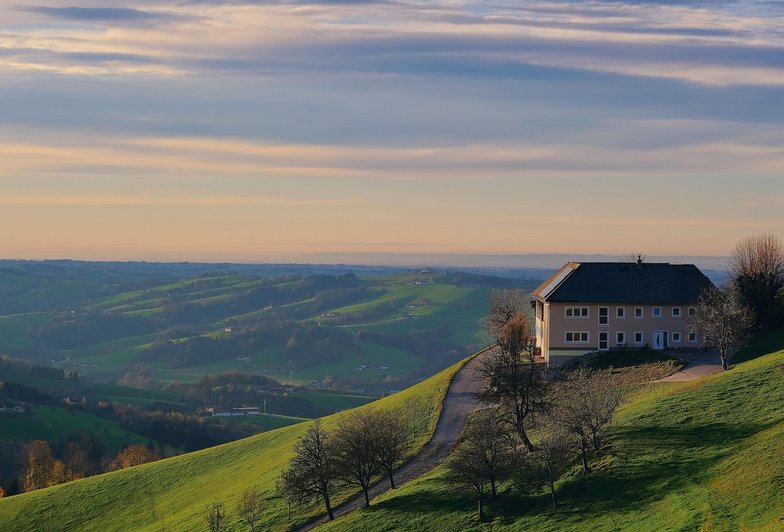
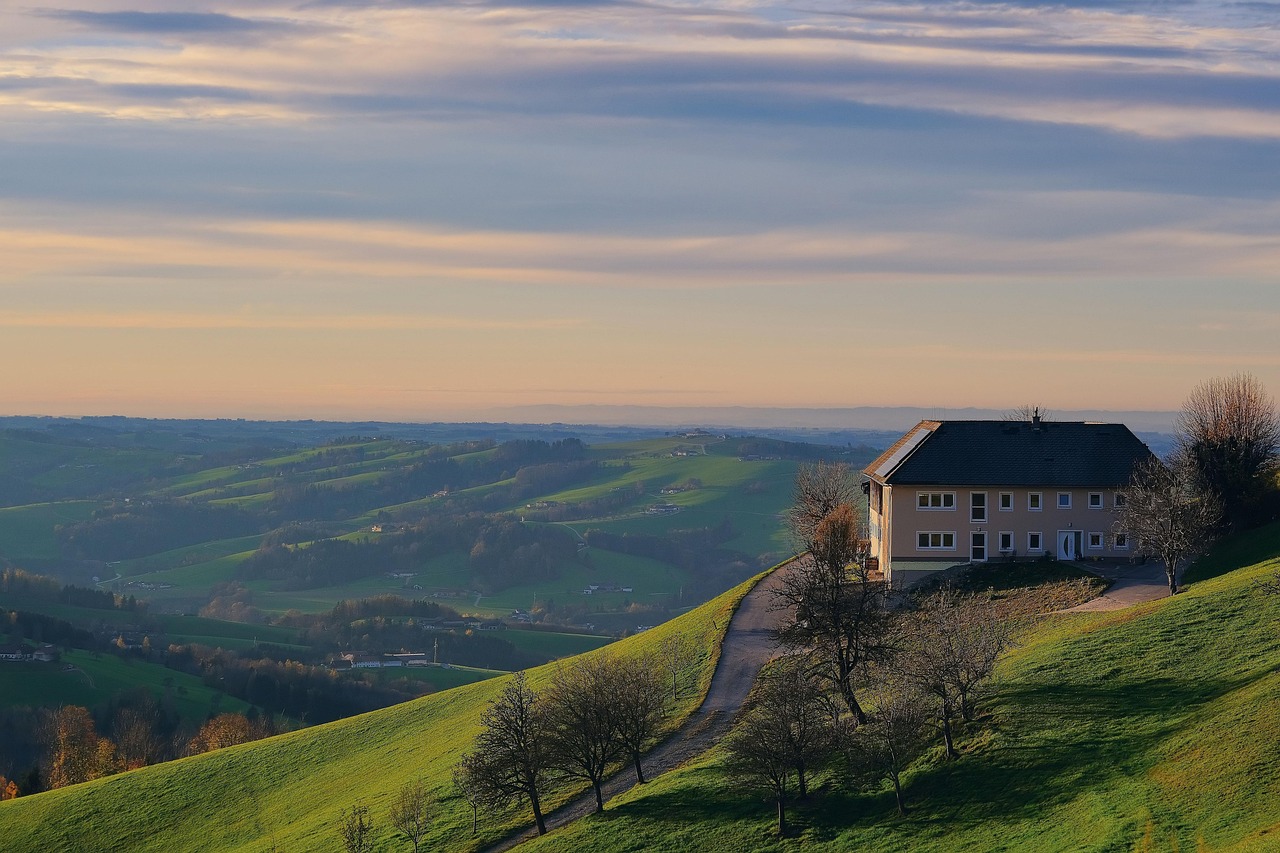
The Van Tassel homestead, home to Katrina Van Tassel and her father, is one of the most vivid settings in the story. Irving describes a prosperous farm with orchards, barns, and a dove-cote, the kind of place that would have belonged to a wealthy Dutch farmer in the early nineteenth century. No single surviving house can be definitively identified as the model, but several old farmhouses in the Sleepy Hollow area fit the general description. The region was, after all, full of successful Dutch families, and Irving drew on that world.
What matters more than pinpointing a specific building is understanding the culture the Van Tassels represent. They are not aristocracy; they are comfortable, hardworking landowners, proud of their Dutch heritage and their independence. Katrina is a coquette with an eye on her future, and her father is a man who knows the value of a good harvest. Irving treats them with affection and a little satire, and that mixture is part of what makes the story endure.
Tracing the Legend's Landmarks on Foot
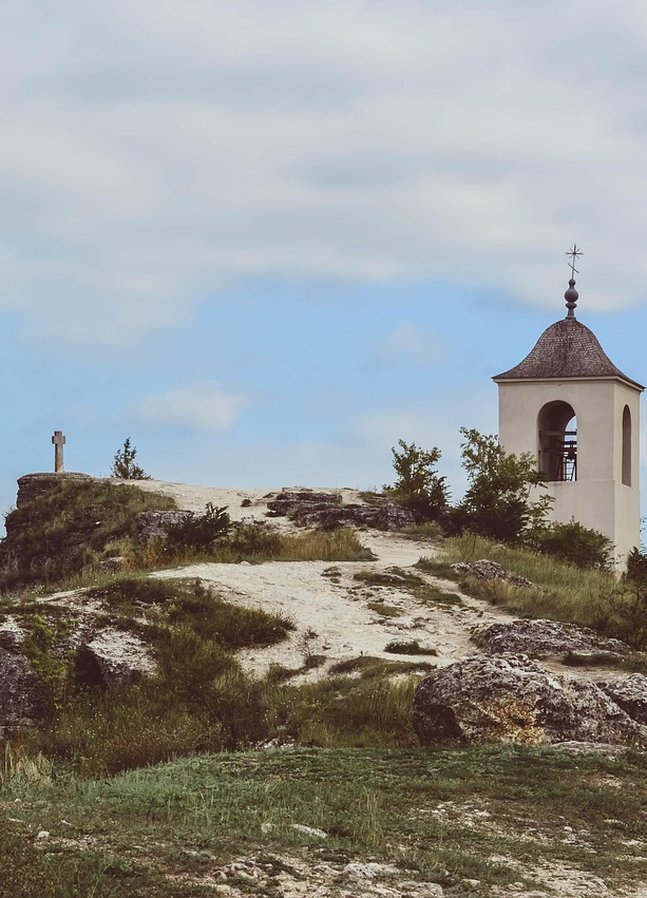
The Old Dutch Church is the most identifiable landmark in the story, and it still stands. Built in the late seventeenth century and expanded over time, it is the oldest surviving church in the area and the centerpiece of the surrounding burying ground. Irving knew it, and he placed the climax of his tale nearby. Visiting it is the closest thing to stepping into the story.
The bridge, as discussed elsewhere, is a matter of debate. But the road that leads past the church, the slope of the burying ground, and the general lay of the land all match the mood of the tale. Walking from the church toward the river, you can reconstruct the geography of Ichabod's ride in your imagination, even if the exact crossing is uncertain.
Other locations are more loosely connected. The schoolhouse where Ichabod teaches is described but not located. The homes of minor characters are similarly vague. Irving was writing a story, not a guidebook, and he felt free to rearrange the landscape as needed.
Why the Ambiguity Matters
Some readers find the lack of precise locations frustrating. Others find it liberating. Because Irving did not tie every detail to a specific spot, the legend belongs to the whole region rather than to a single address. Every old farmhouse, every stone wall, every bend in the road can be part of the story if you want it to be.
That is one reason Sleepy Hollow has remained such a durable tourist destination. Visitors are not just checking off landmarks; they are participating in a shared act of imagination. The Van Tassel farm may not exist, but the world it represents — prosperous, rural, a little haunted — is still visible in the landscape, and that is enough.






Irving's story mentions several places that correspond to real locations, and tracing them is a fun way to explore the area.
Before he was chased by a ghost, Ichabod Crane was a name Washington Irving borrowed from a real military man, and the truth is stranger than the tale.
The Headless Horseman did not spring from nowhere; his roots reach back to German folklore, Hessian soldiers, and the haunted roads of the Hudson Valley.
From Washington Irving's grave to ornate mausoleums and quiet hillsides, the cemetery is the heart of any visit to Sleepy Hollow.
Built in the late 1600s, the Old Dutch Church is the architectural anchor of Sleepy Hollow and a key setting in Irving's legend.