


The Bridge That Started It All: Finding the Real Site of Ichabod Crane's Fate
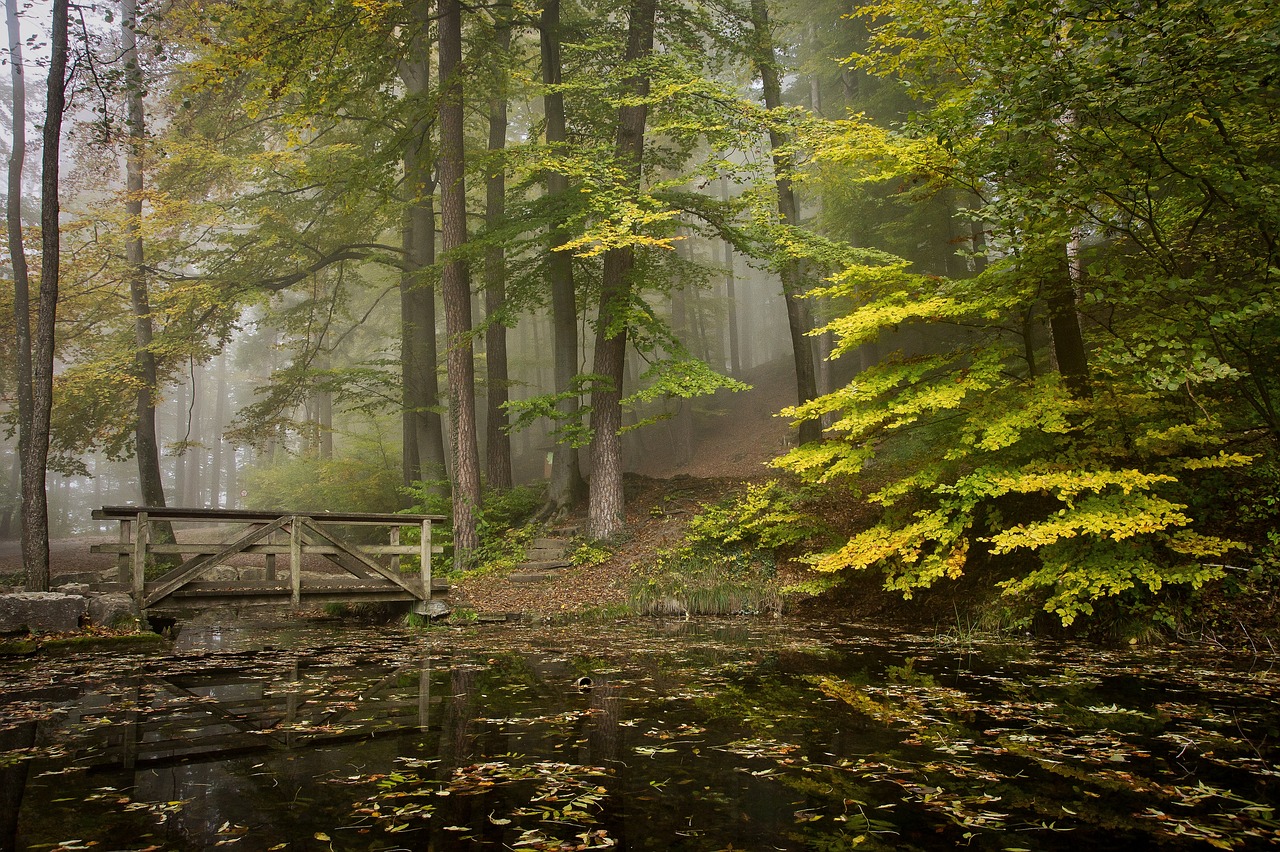
At the climax of "The Legend of Sleepy Hollow," Ichabod Crane flees the Van Tassel farm on a borrowed, spavined horse, pursued through the darkness by a cloaked rider who carries his own severed head on the pommel of his saddle. The chase ends at a bridge near the Old Dutch Church, where the horseman rises in his stirrups and hurls the head at Ichabod with terrible force. Whether the schoolmaster survives is left deliberately ambiguous. What Irving does not tell us is precisely which bridge this was — and that omission has fueled more than a century of local speculation.
What we know from the text is modest. The bridge sits on the road between the Van Tassel homestead and the church, crossing a stream that Irving describes as running through a hollow. In the early nineteenth century, the Sleepy Hollow region was rural farmland dotted with mill ponds and small waterways, so a wooden crossing of some kind was entirely ordinary. Travelers on the old Albany Post Road would have passed several such bridges, and none of them were marked with the literary significance they carry today.
Why the Exact Location Is Unknowable
The honest answer is that Irving was writing fiction, not a survey. He borrowed the landscape he knew from summers spent near Tarrytown and wove local Dutch ghost stories into a tale that was never meant to function as a treasure map. The bridge in the story serves a narrative purpose: it marks the boundary between the familiar village and the wilder, haunted darkness beyond. Once Ichabod crosses it — or fails to cross it — the ordinary world closes behind him.
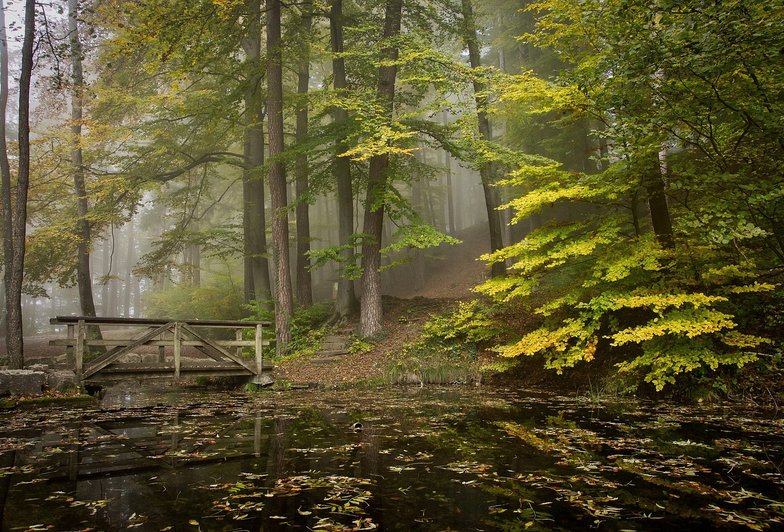
That has not stopped generations of residents and visitors from adopting a candidate. Several spots along the Pocantico River have been proposed over the years, and the bridge near the Old Dutch Church and its burying ground has become the unofficial favorite simply because it sits exactly where readers imagine the chase ending. Standing there on a foggy autumn evening, it is easy to see why. The churchyard rises on a slope, the river mutters below, and the road curves away into trees. The geography matches the mood, if not the map.
Some historians have pointed out that Irving's description of the road and the stream does not align perfectly with any single crossing that exists today. Roads have been rerouted, streams dammed and redirected, and the landscape of 1820 is not the landscape of now. The bridge of the story may be a composite — a little of this crossing, a little of that one — assembled to serve the needs of the tale.
Visiting the Legend's Landscape Today
For travelers, the practical takeaway is that the search itself is part of the experience. Walk the grounds around the Old Dutch Church, follow the Pocantico where it passes through the hollow, and you are moving through the same terrain Irving knew. The bridge you find may not be the bridge, but the atmosphere that made the story endure is genuinely there, especially in late October when the leaves turn and the light goes early.
Local tour guides will happily point out their preferred site, and it is worth listening — not because any of them can prove the case, but because the debates themselves are a living part of Sleepy Hollow's folklore. The legend has always been a collaborative thing, shaped as much by the people who retell it as by the man who wrote it down.
If you go looking for the bridge, bring good shoes and a willingness to be wrong. That, after all, is exactly what happened to Ichabod Crane.






Washington Irving never named the exact bridge where the Headless Horseman claimed his victim, but generations of readers have searched for it anyway.
The man who invented the Headless Horseman lived just down the road from the valley he made famous, and his home is open to visitors.
Long before it was a ghost story setting, the Sleepy Hollow area was a contested landscape during the American Revolution.
From farm-to-table restaurants to classic diners, the villages at the heart of the legend have a surprisingly strong food scene.
Irving's story mentions several places that correspond to real locations, and tracing them is a fun way to explore the area.