


The Old Dutch Church: Sleepy Hollow's Oldest Standing Building
The Old Dutch Church of Sleepy Hollow, also known as the Dutch Reformed Church, is the oldest surviving building in the village and one of the oldest churches in New York State. Constructed in the late seventeenth century by Dutch settlers, it stands at the edge of the old burying ground, surrounded by weathered headstones that date back to the colonial era. For anyone tracing the real history behind the legend, this is the place where the story and the landscape meet most directly.
The church was built in a simple, sturdy style typical of Dutch colonial architecture, with fieldstone walls and a small, unadorned interior. It served a farming community that had settled along the Hudson River, and its congregation included many of the families whose names still appear on local roads and gravestones. Over the centuries, the building has been repaired and modified, but its core remains remarkably intact. It is no longer used for regular worship, but it is preserved and opened to visitors at certain times of year.
The Burying Ground
The graveyard surrounding the church is one of the most atmospheric spots in the Hudson Valley. Headstones lean at odd angles, carved with winged skulls, willow trees, and epitaphs in Dutch and English. Some markers are so worn that the names have vanished entirely. Among the graves are early settlers, Revolutionary War veterans, and generations of local families. The site is often associated with the Headless Horseman, who in Irving's story rides to the churchyard and back, and it is a stop on many seasonal tours.
Preservation of the burying ground has been an ongoing effort. Weather, vandalism, and time have taken their toll, and local organizations have worked to reset stones, repair fences, and document burial records. Visitors are welcome but should remember that this is consecrated ground and an active historical site. Walking carefully, avoiding leaning on fragile stones, and refraining from leaving anything behind are simple ways to help protect it.
Visiting and What to Look For
The Old Dutch Church is located near the center of the village, close to the larger Sleepy Hollow Cemetery, and it is easy to combine a visit to both in a single afternoon. If you go, take time to read the stones rather than just photograph them. You will find the names of families who farmed this land for generations, along with symbols and inscriptions that reflect the beliefs of people who lived through war, disease, and the hard work of building a new life in a new world.
Check ahead for opening hours, since the church interior is not always accessible. Even when it is closed, the exterior and the burying ground are worth the trip. Standing among the old stones, with the church behind you and the hills rising beyond, it is not hard to understand why Irving chose this spot as the backdrop for a ghost story. The place already felt haunted by history long before he gave it a horseman.






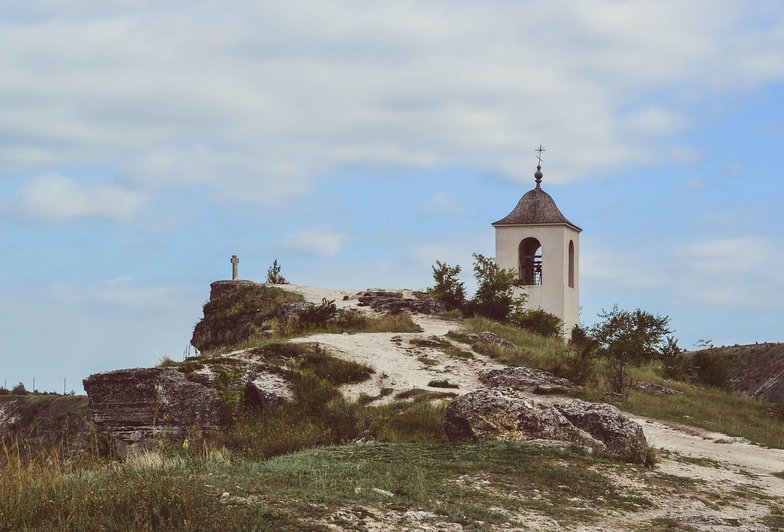
Built in the late 1600s, the Old Dutch Church is the architectural anchor of Sleepy Hollow and a key setting in Irving's legend.
October transforms Sleepy Hollow into a month-long celebration of its most famous legend, with parades, tours, and storytelling for all ages.
Washington Irving never named the exact bridge where the Headless Horseman claimed his victim, but generations of readers have searched for it anyway.
The man who invented the Headless Horseman lived just down the road from the valley he made famous, and his home is open to visitors.
Long before it was a ghost story setting, the Sleepy Hollow area was a contested landscape during the American Revolution.